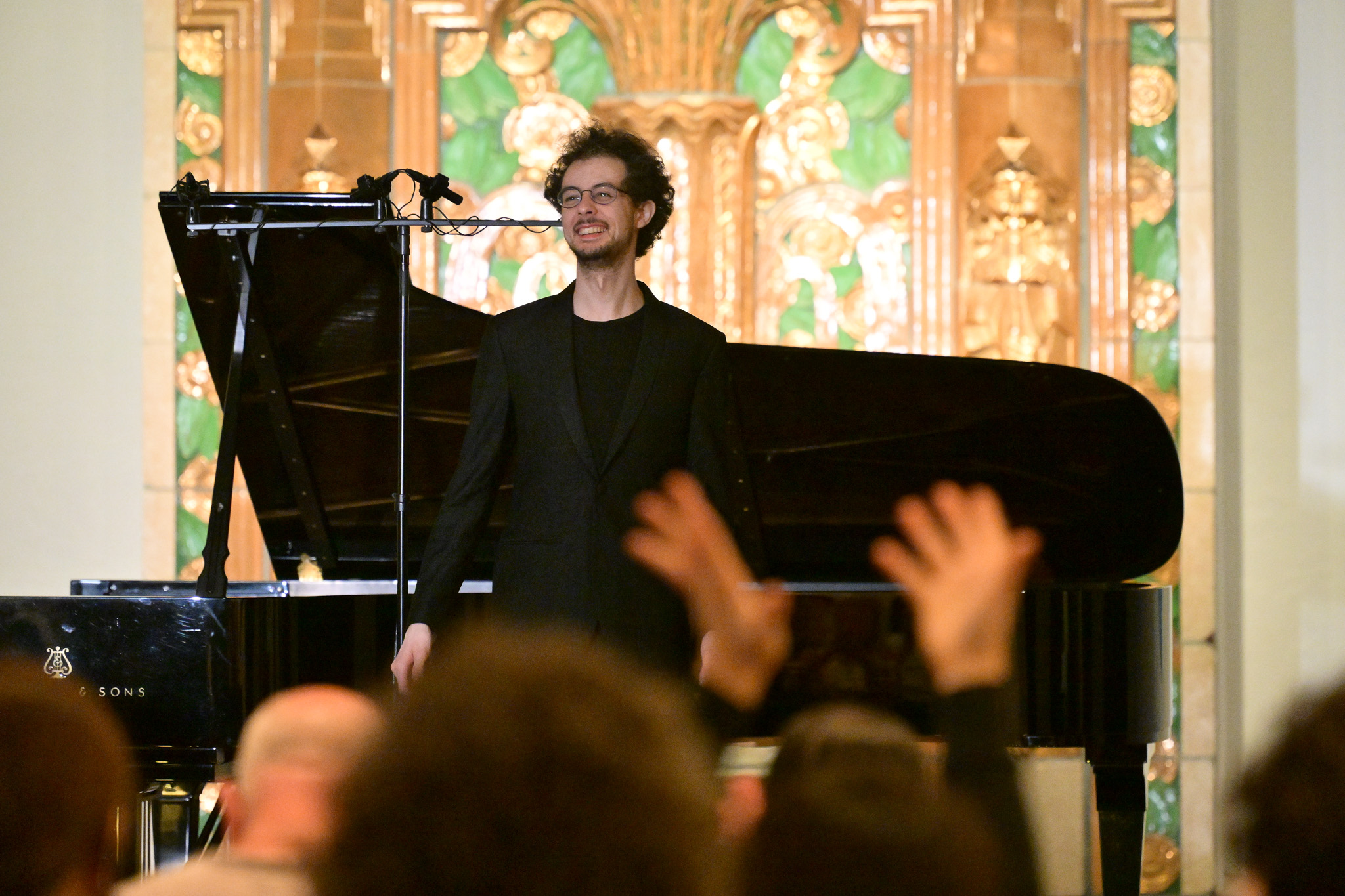
Can Çakmur a Compelling Storyteller
Can Çakmur a Compelling Storyteller
By Giselle Brodsky
January 30, 2026
By Giselle Brodsky
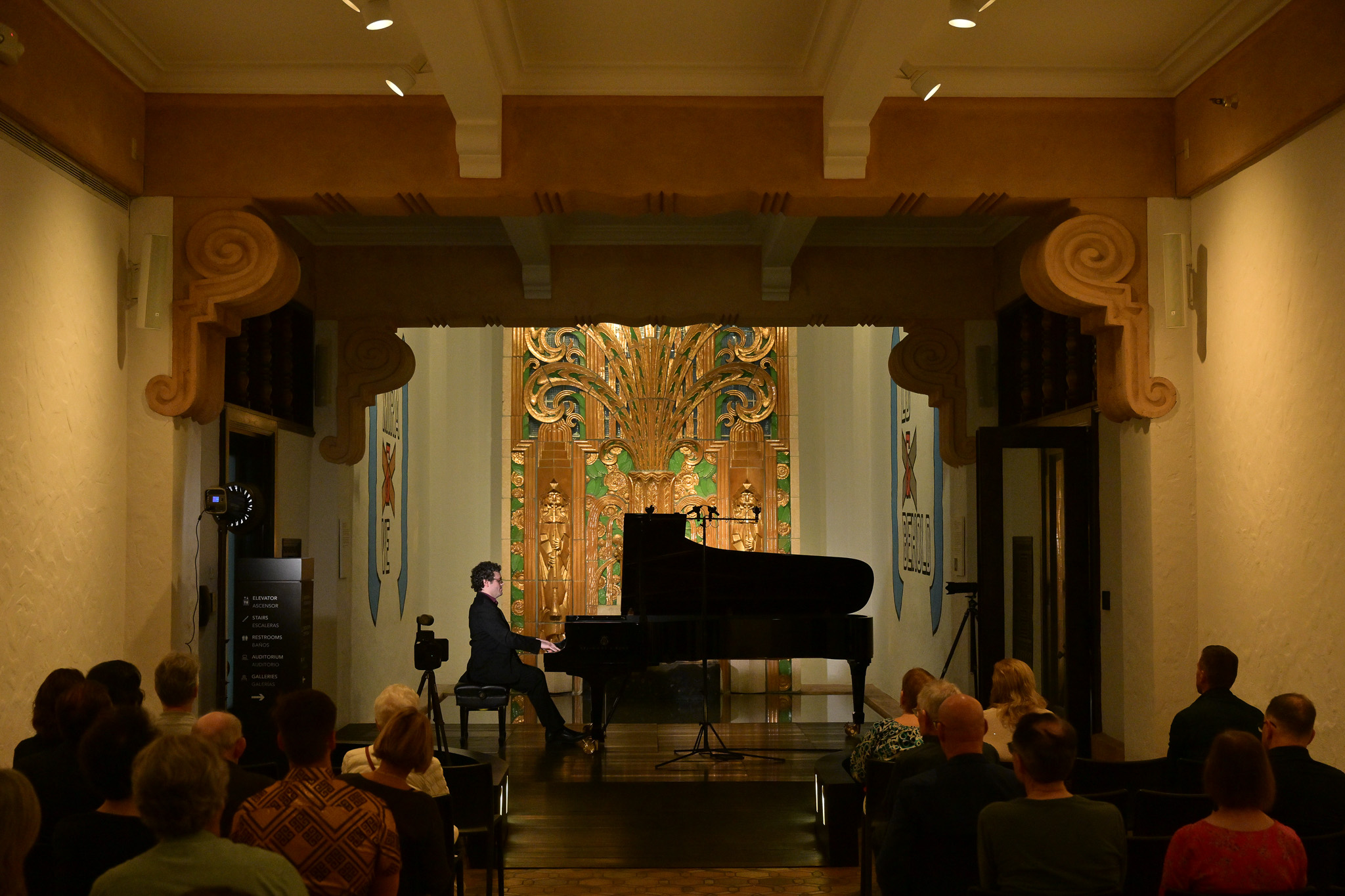
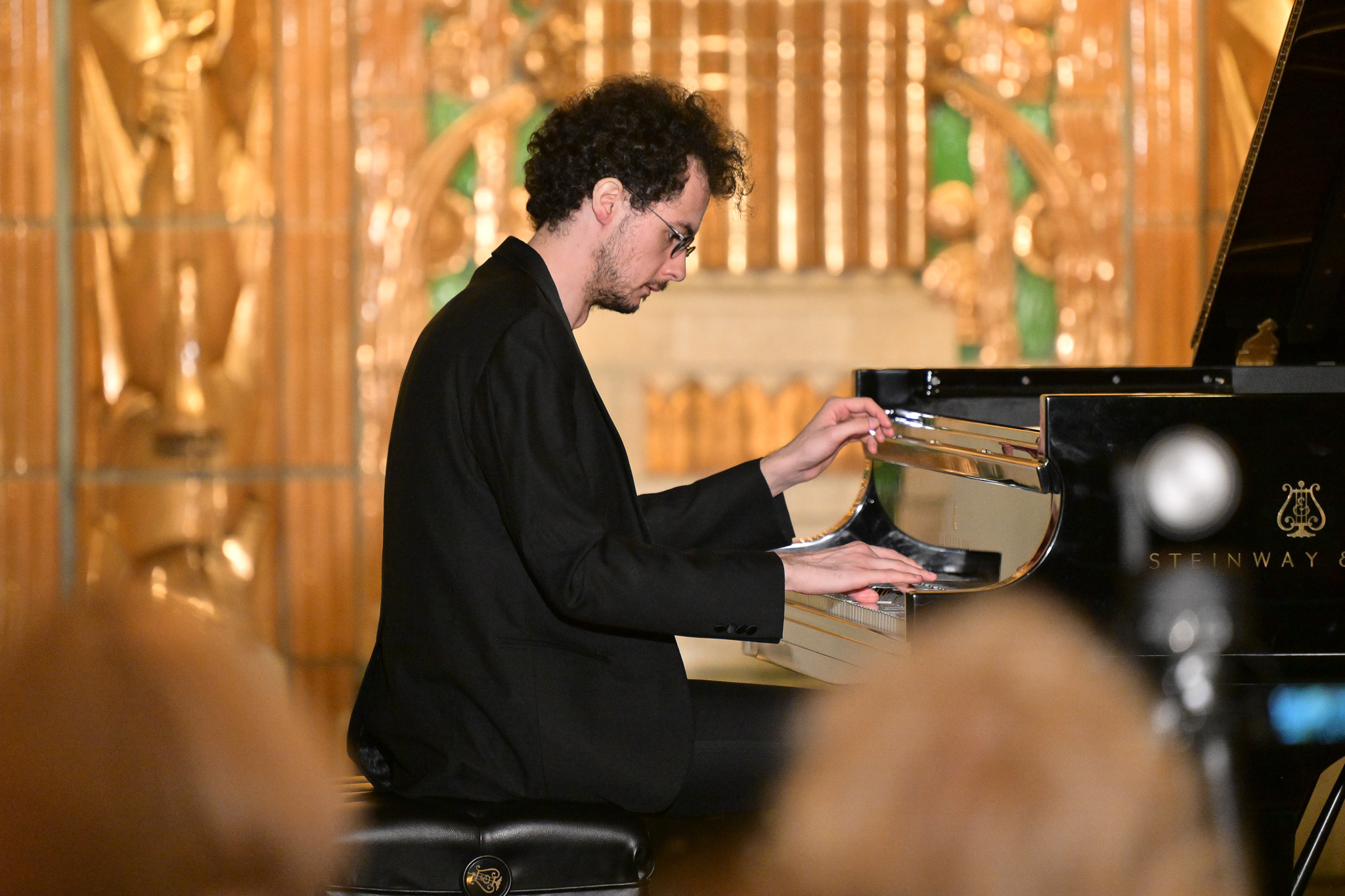
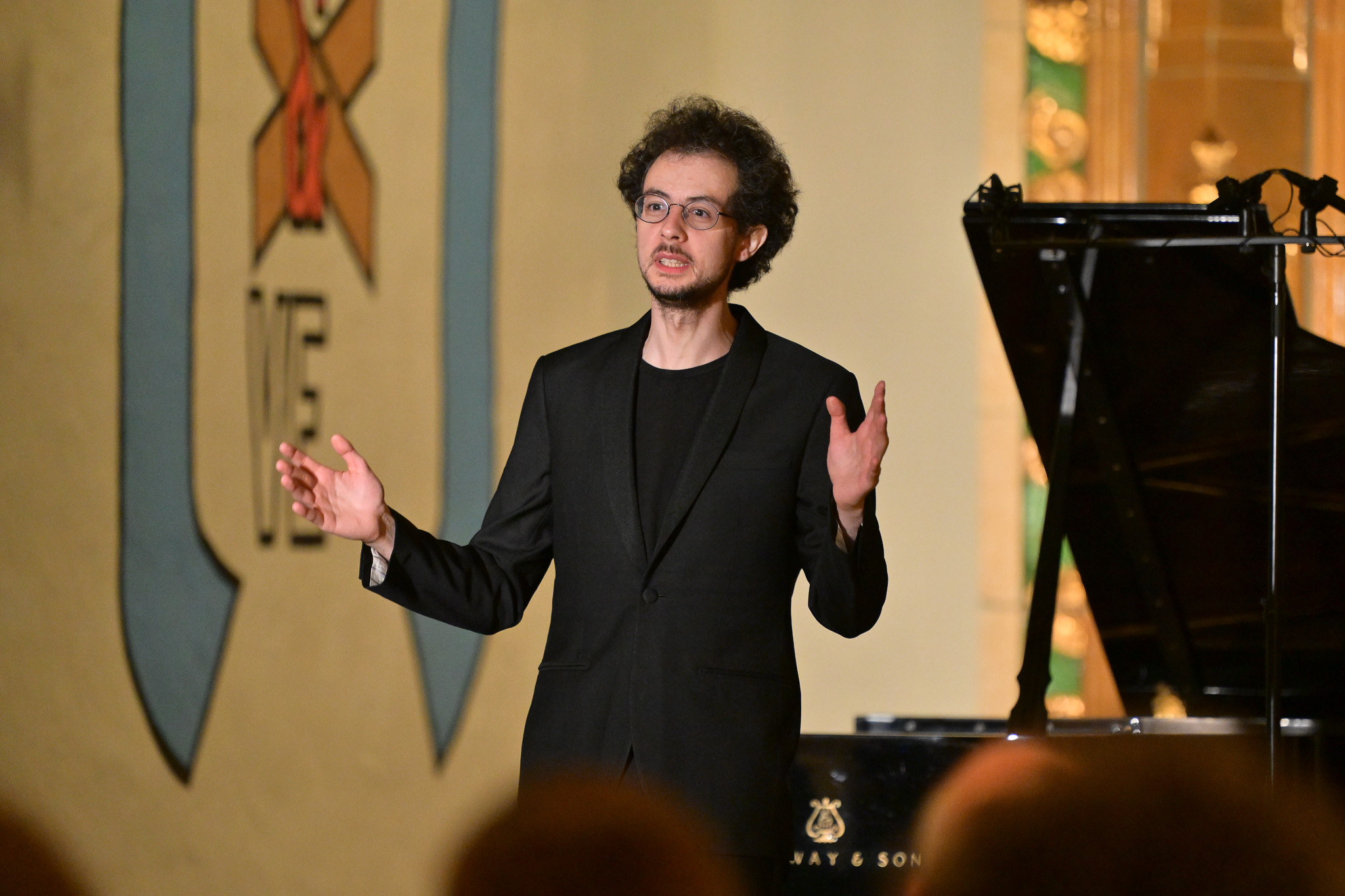
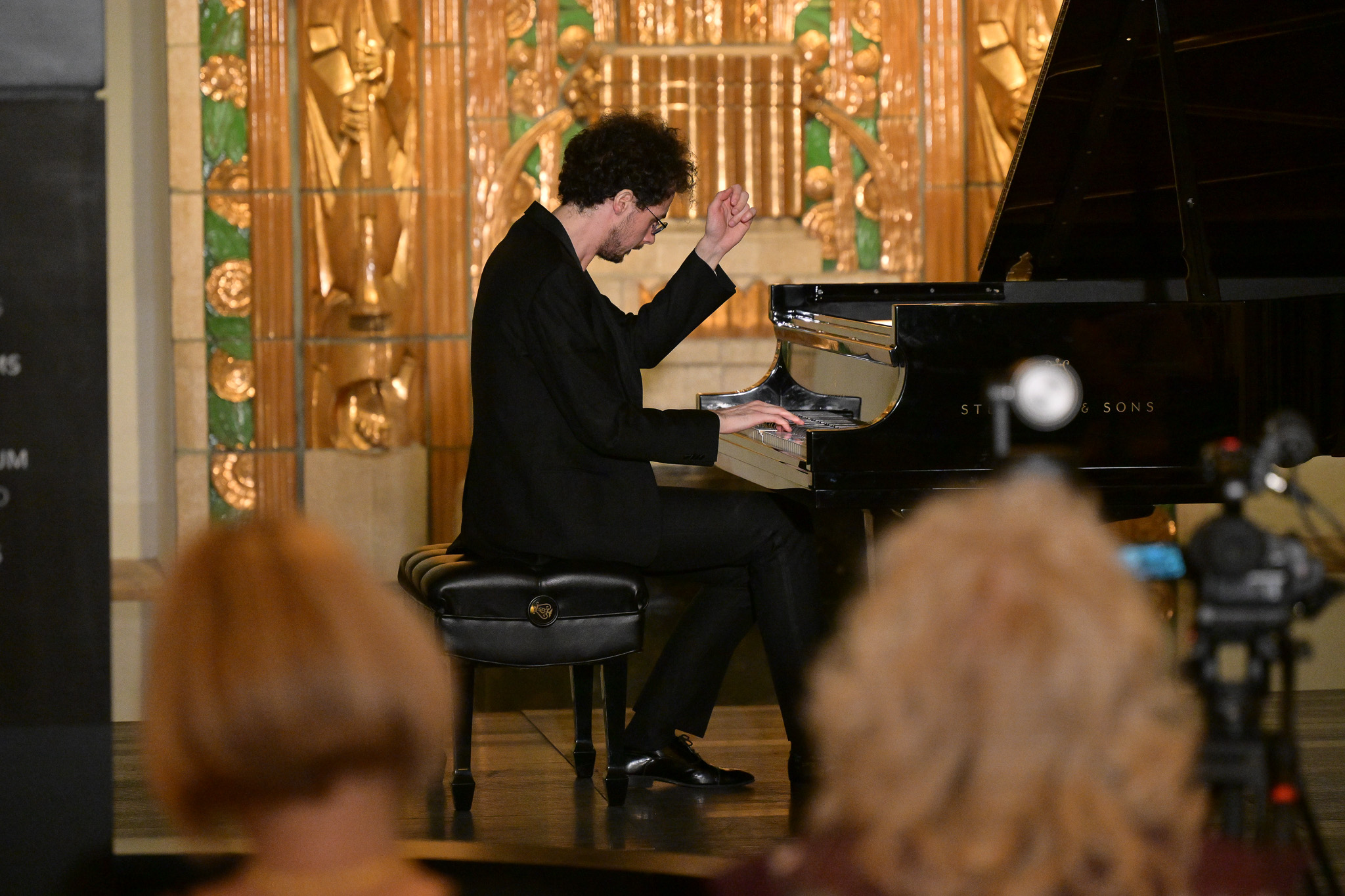
At his Miami debut on January 25, 2026, Turkish pianist Can Çakmur captivated the audience at the Miami International Piano Festival’s Discovery Series with a performance that transcended mere technical brilliance. Through his intellectual depth, emotional energy, and luminous tone,
Çakmur revealed himself as more than a pianist — he emerged as a profound musical storyteller.
From the opening chords of Beethoven’s Waldstein Sonata, Op. 53, it was evident that Çakmur had an intimate understanding of Beethoven’s expressive universe. His supple phrasing and imaginative sense of rhythm gave the work a vibrant pulse, while his interpretation of the final movement showcased his ability to navigate and shape vast musical textures. Here, Çakmur’s storytelling was evident not through narrative words but through sound — each phrase unfolding like a scene in an evolving drama.
The recital’s diversity allowed Çakmur to display another dimension of his artistry through Cem Esen’s work. In this piece, his approach turned almost improvisational, filled with color and spontaneity. The pianist treated the composition as a living conversation between structure and freedom, revealing a depth of imagination unusual even among the most seasoned performers.
His interpretations of Liszt’s Sonetto 104 del Petrarca and Les cloches de Genève further demonstrated his emotional insight. Çakmur captured both Liszt’s romantic lyricism and his spiritual restlessness, drawing listeners into the music’s inner world. The emotional continuity between movements and pieces showed an artist who tells stories not only within individual works but across an entire program.
One of the highlights of the evening was Fazıl Say’s İnsan İnsan Variations (2024) — a work grounded in Turkish poetry and cultural identity. Çakmur’s interpretation was both heartfelt and intelligent, reflecting his sensitivity to Say’s compositional language. His playing carried the humanistic message of the variations — a meditation on being and belonging — with sincerity and clarity.
In Chopin’s Barcarolle, Op. 60, Çakmur revealed his poetic nature, painting vivid musical images with rhythm and tone, while Schubert’s Wanderer Fantasy, D.760 became the evening’s emotional summit. His performance achieved an admirable balance between the piece’s immense technical demands and its sweeping grandeur. Few pianists manage to render Schubert’s monumental architecture so clearly while maintaining intimacy and lyricism — here, Çakmur’s storytelling reached its most compelling peak.
The concert concluded with two encores — a personal arrangement of King Crimson’s “Three of a Perfect Pair” and a tender interpretation of Schubert’s Impromptu in A-flat Major, D.935 No. 2. Both pieces underscored Çakmur’s ability to communicate directly and authentically, leaving the audience deeply moved.
Ultimately, Can Çakmur can indeed be considered a compelling storyteller. His artistry lies not only in his command of the keyboard but also in his understanding of music as a living narrative — one that connects emotion, intellect, and imagination. Each note, phrase, and silence becomes part of a larger story — one that he shares with rare eloquence.