JONAS AUMILLER — A POET AT THE PIANO
JONAS AUMILLER — A POET AT THE PIANO
February 21, 2026
By Giselle Brodsky
Competitions may crown winners, but occasionally they reveal artists of rare individuality. Pianist Jonas Aumiller first drew international attention at the Van Cliburn International Piano Competition in 2024, where his natural musical voice, refined touch, and quiet intensity distinguished him from many of his peers. It was not merely technical accomplishment that impressed, but an uncommon artistic sincerity—an ability to communicate meaning beyond the notes.
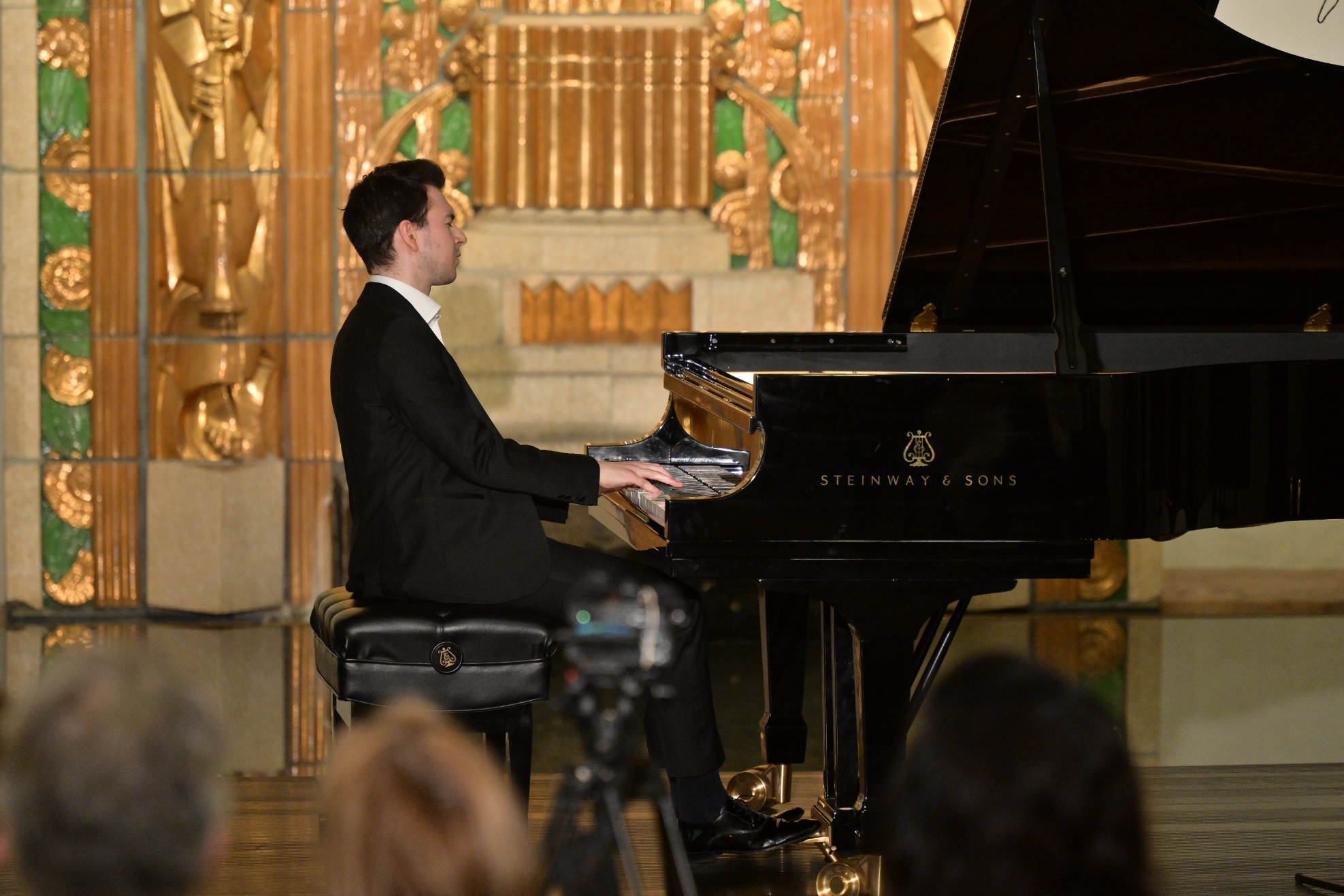
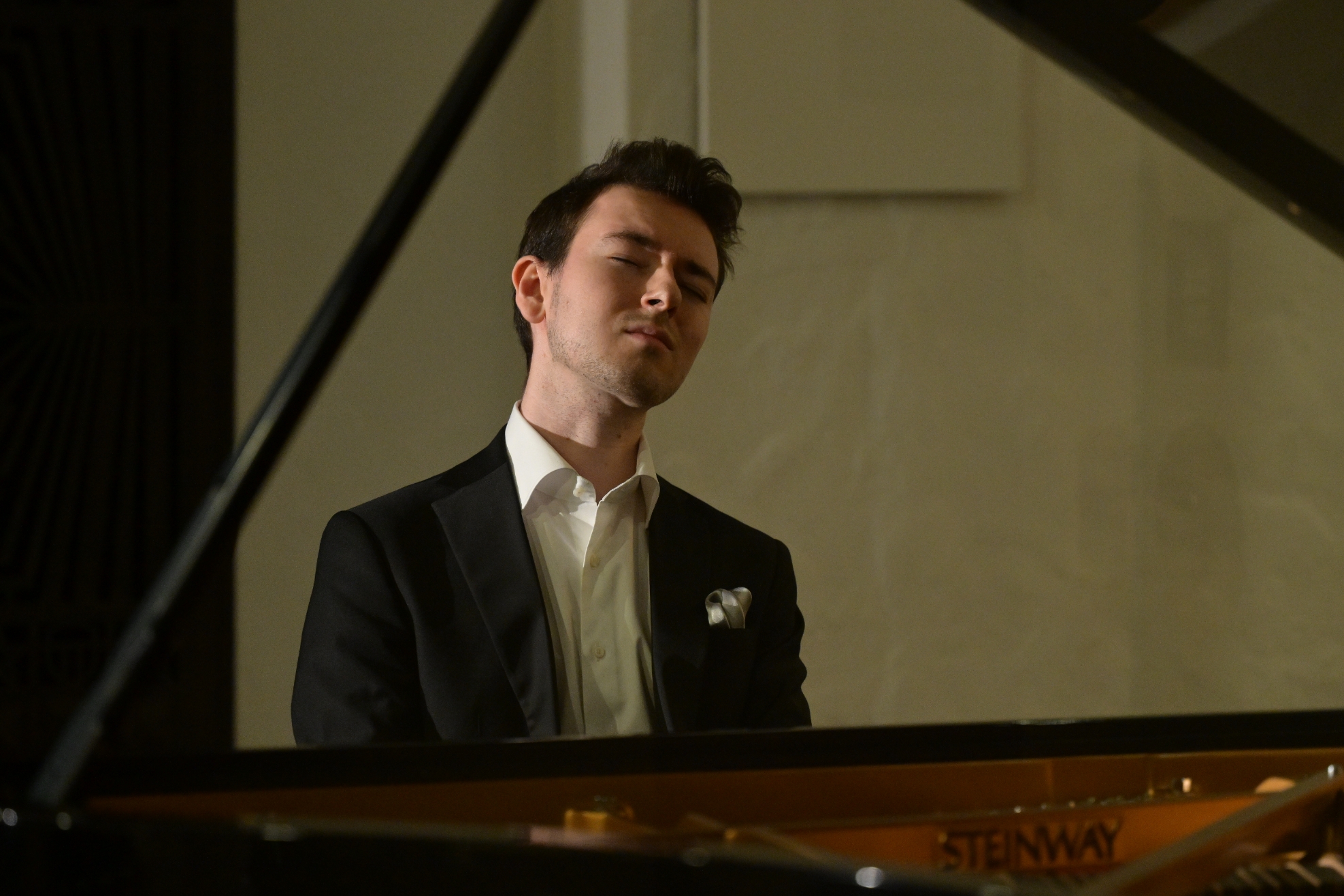
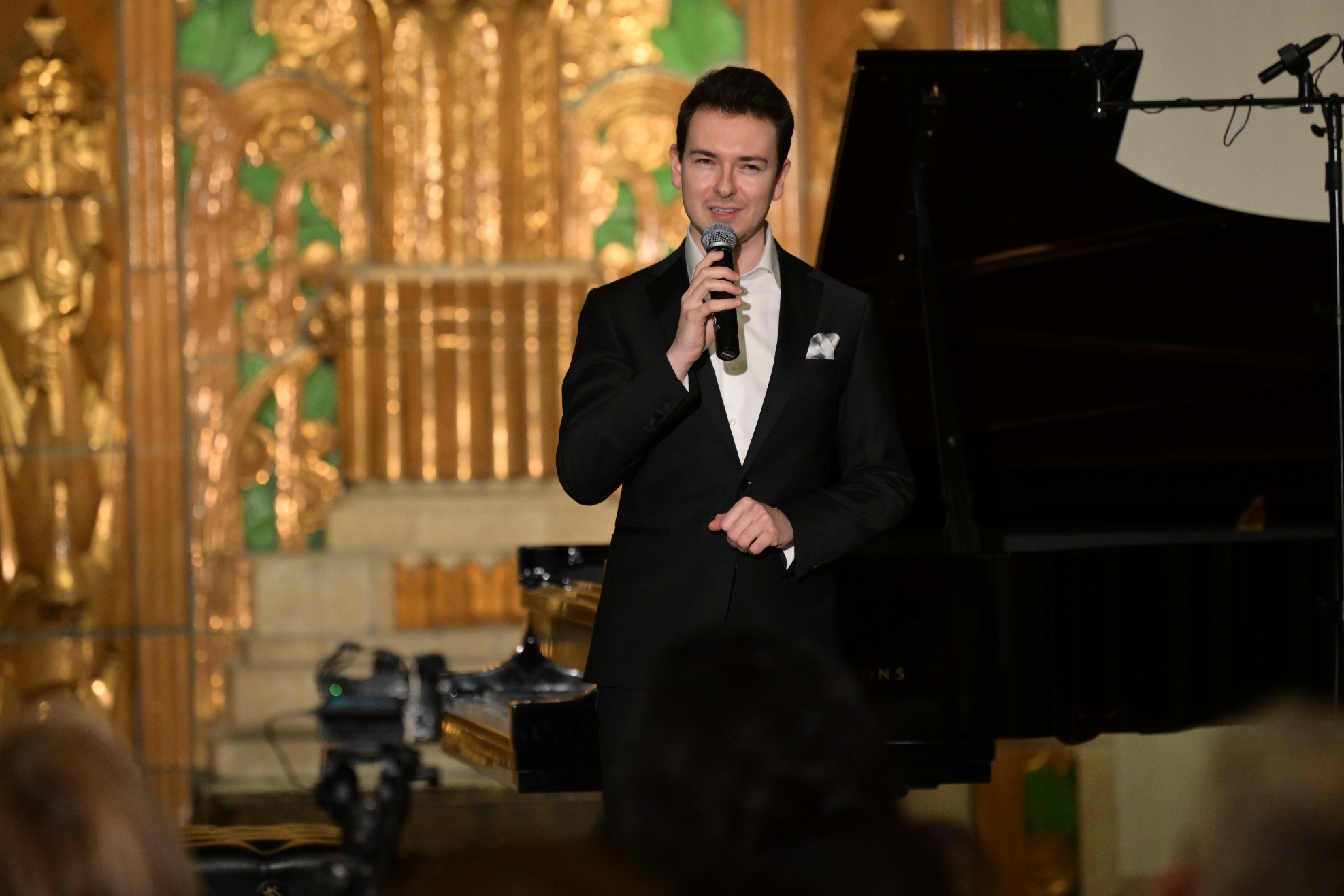
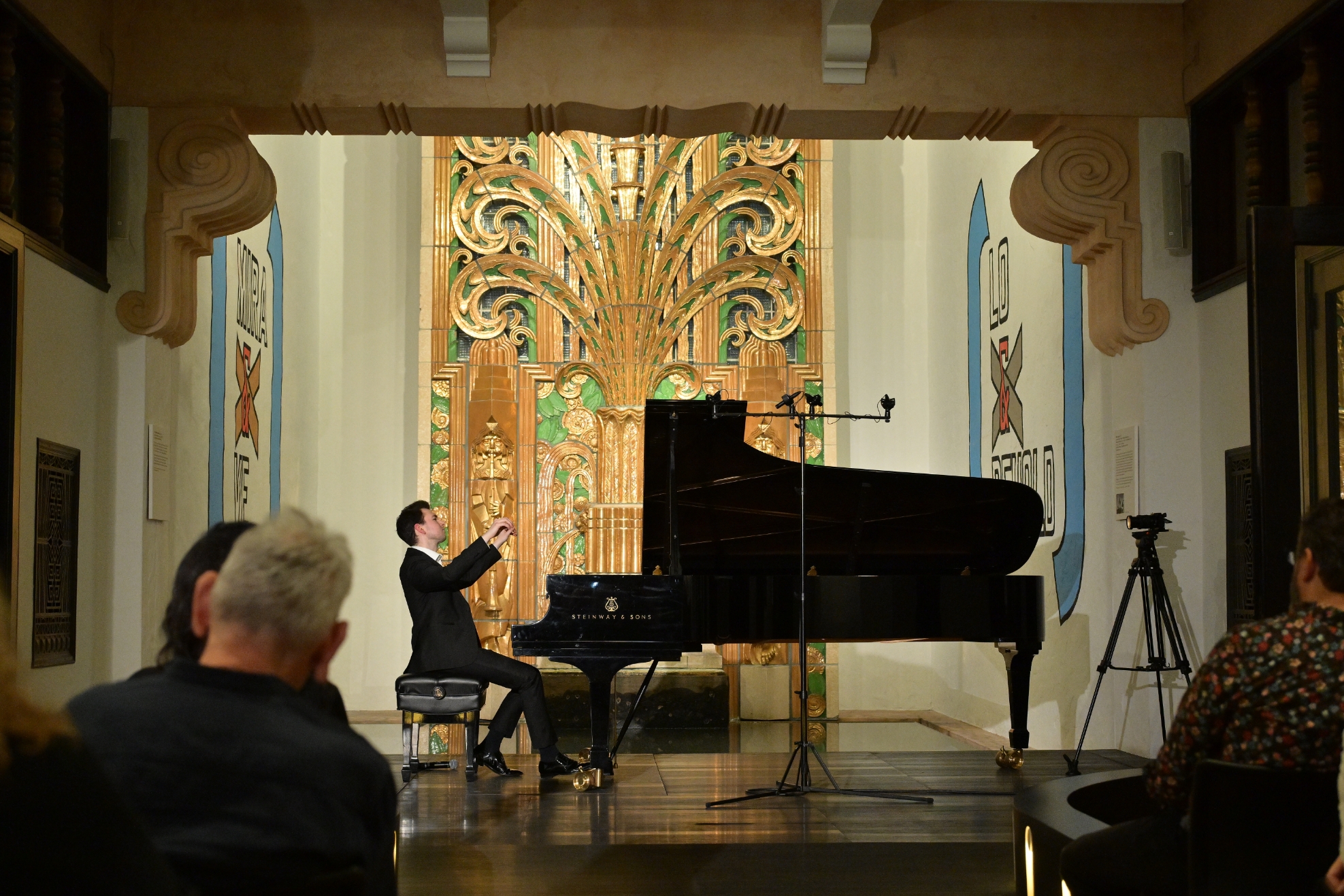
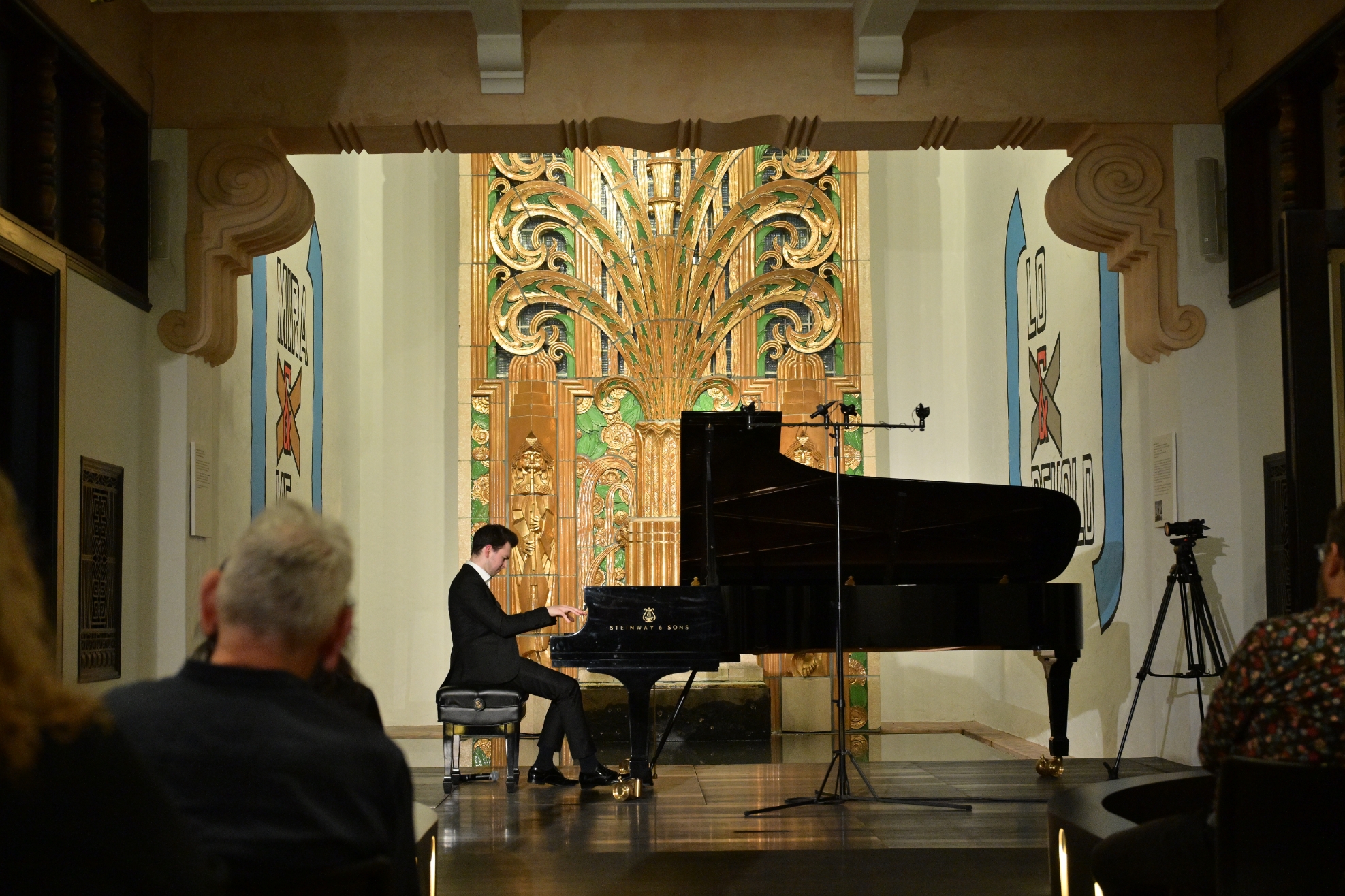
His debut at the Miami International Piano Festival confirmed the arrival of a thoughtful and imaginative musician whose artistry is rooted in poetry rather than display. From the opening moments, Aumiller created an atmosphere of intimacy and concentration, drawing the audience into a deeply reflective musical journey.
He began with music by Frédéric Chopin, opening with the Prelude in C-sharp minor, Op. 45. His interpretation unfolded with freedom and quiet introspection, shaped by an almost improvisatory lyricism. Phrases breathed naturally, and the music seemed to emerge spontaneously, as if discovered in the moment. Without interruption, the Barcarolle in F-sharp major, Op. 60 followed, revealing a luminous palette of sound. Aumiller’s refined control of tone and pedaling created shimmering textures and flowing melodic lines, while his restraint avoided sentimentality. Instead, he revealed the architectural strength beneath Chopin’s poetry, balancing clarity, warmth, and expressive depth.
The emotional center of the recital lay in the music of Johannes Brahms. Aumiller, winner of the 2021 Brahms Competition in Detmold, demonstrated a profound affinity for the composer’s late style in the Six Piano Pieces, Op. 118. His interpretation emphasized introspection over grandeur and intimacy over weight. Inner voices emerged with remarkable transparency, revealing intricate harmonic and emotional layers. Each piece felt like a self-contained meditation, shaped with structural clarity and expressive restraint.
Aumiller has described these works as “poems without words,” and this poetic vision was evident throughout. Lyrical lines sang naturally, textures remained balanced and clear, and climaxes grew organically rather than through force. The result was Brahms playing of rare sincerity—restrained, noble, and deeply moving, inviting the listener inward rather than overwhelming with sound.
Maintaining this introspective atmosphere, Aumiller turned to Robert Schumann’s Romance, Op. 28 No. 2. The transition felt seamless. His interpretation was tender and suspended in time, shaped with delicate rubato and a beautifully sustained singing tone. The performance preserved the poetic stillness created by the Brahms while adding a gentle romantic warmth, offering a quiet and intimate reflection.
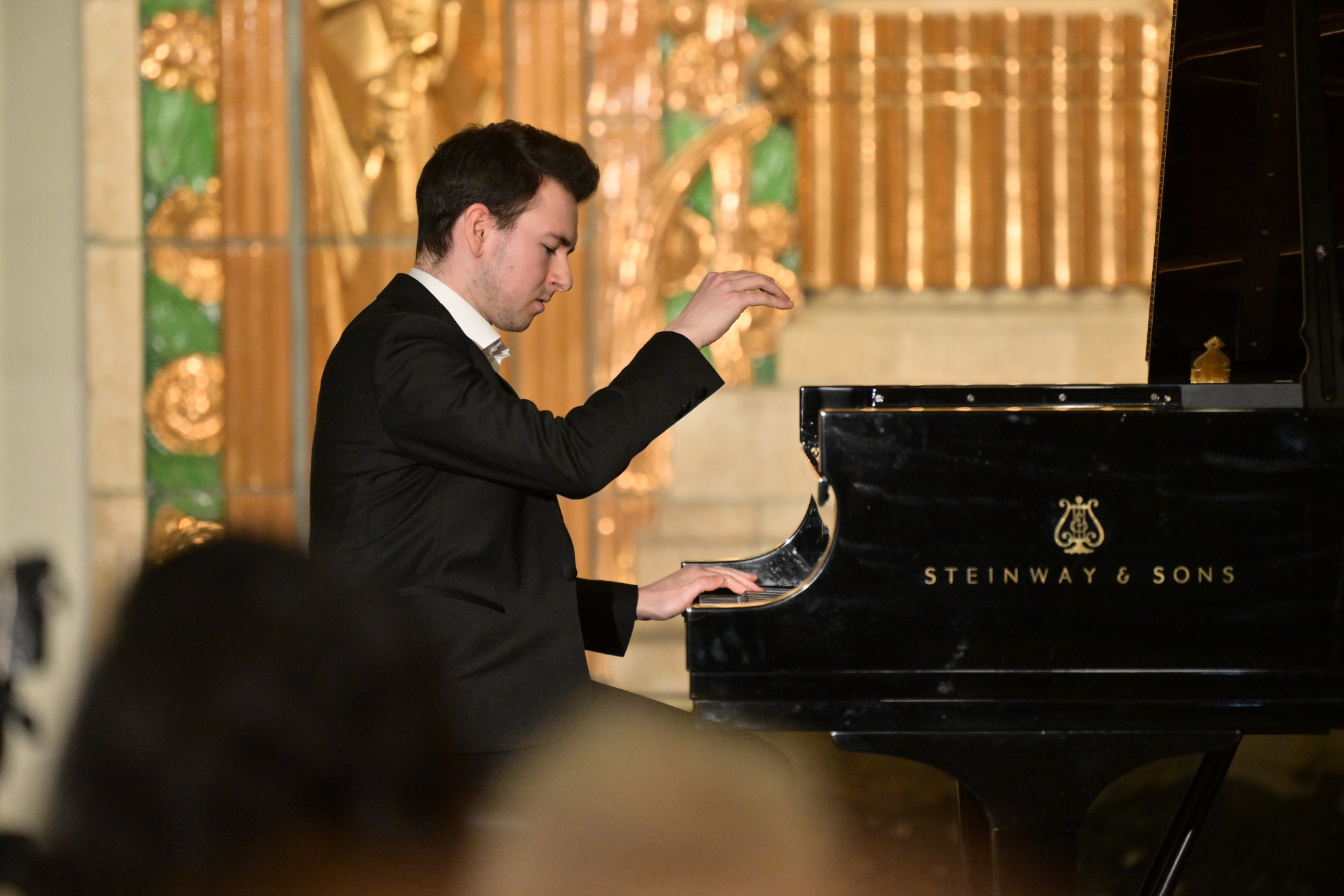
The final work revealed another dimension of Aumiller’s artistry: composer and transcriber. His own transcription of Franz Liszt’s Symphonic Poem No. 3 transformed the orchestral canvas into a pianistic drama of sweeping scale and intensity. Here, virtuosity and vision merged. Towering climaxes, crystalline textures, and commanding rhythmic drive were delivered with assurance and clarity, never at the expense of musical substance. Aumiller maintained structural coherence throughout, shaping the work with strong dramatic direction. The performance was both electrifying and architecturally compelling, bringing the recital to a powerful close.
After a well-deserved ovation, Aumiller returned to offer an encore: his own Concert Étude, La tenerezza. In contrast to the grandeur of Liszt, this brief work provided a moment of intimacy and lyric tenderness. Its poetic simplicity served as a fitting and personal farewell, leaving the audience in a reflective and quietly enchanted state.
What distinguishes Jonas Aumiller is not only his formidable technique, but his artistic integrity. He does not seek to impress; he seeks to communicate. His playing reflects introspection, imagination, and a deep commitment to the essence of music. There is a sense of purpose behind every phrase, as though each gesture has been carefully considered, deeply felt, and fully understood.
With this remarkable debut, Aumiller confirms himself as one of the most compelling young pianists of his generation—a poetic voice at the keyboard and an artist of substance and individuality. His appearance at the Miami International Piano Festival marked not simply a successful debut, but the arrival of a distinctive musical personality. He is, unquestionably, a pianist to follow, to support, and to welcome back.