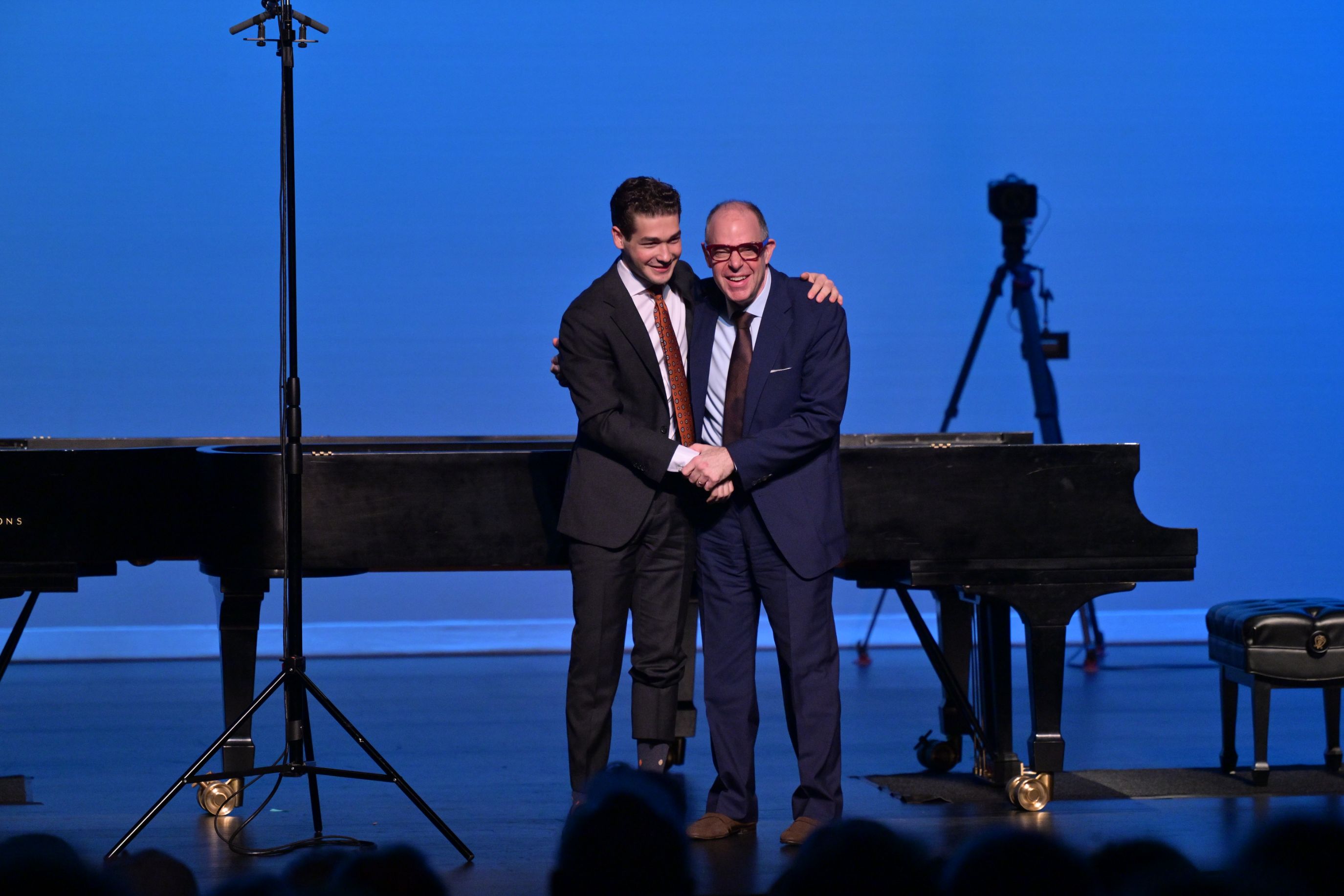
WHEN BRANDON MET BILL…….
WHEN BRANDON MET BILL…….
A Review By Glenn Dryfoos
March 28, 2026
By Glenn Dryfoos
Last April, in comparing a Brandon Goldberg performance with one from 2022, I noted, “His already impressive touch is even better – he can play with the subtly of Bill Charlap…”
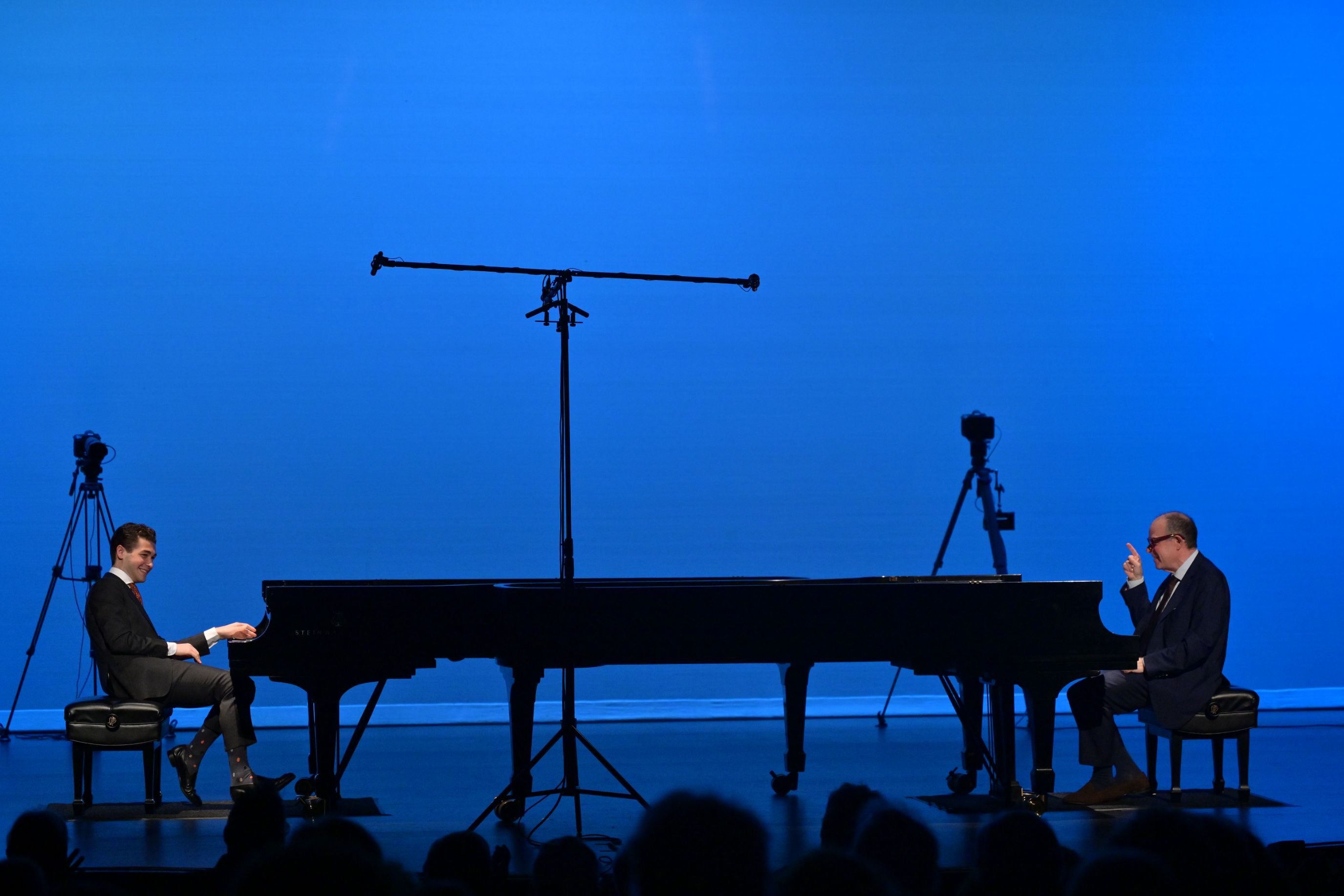
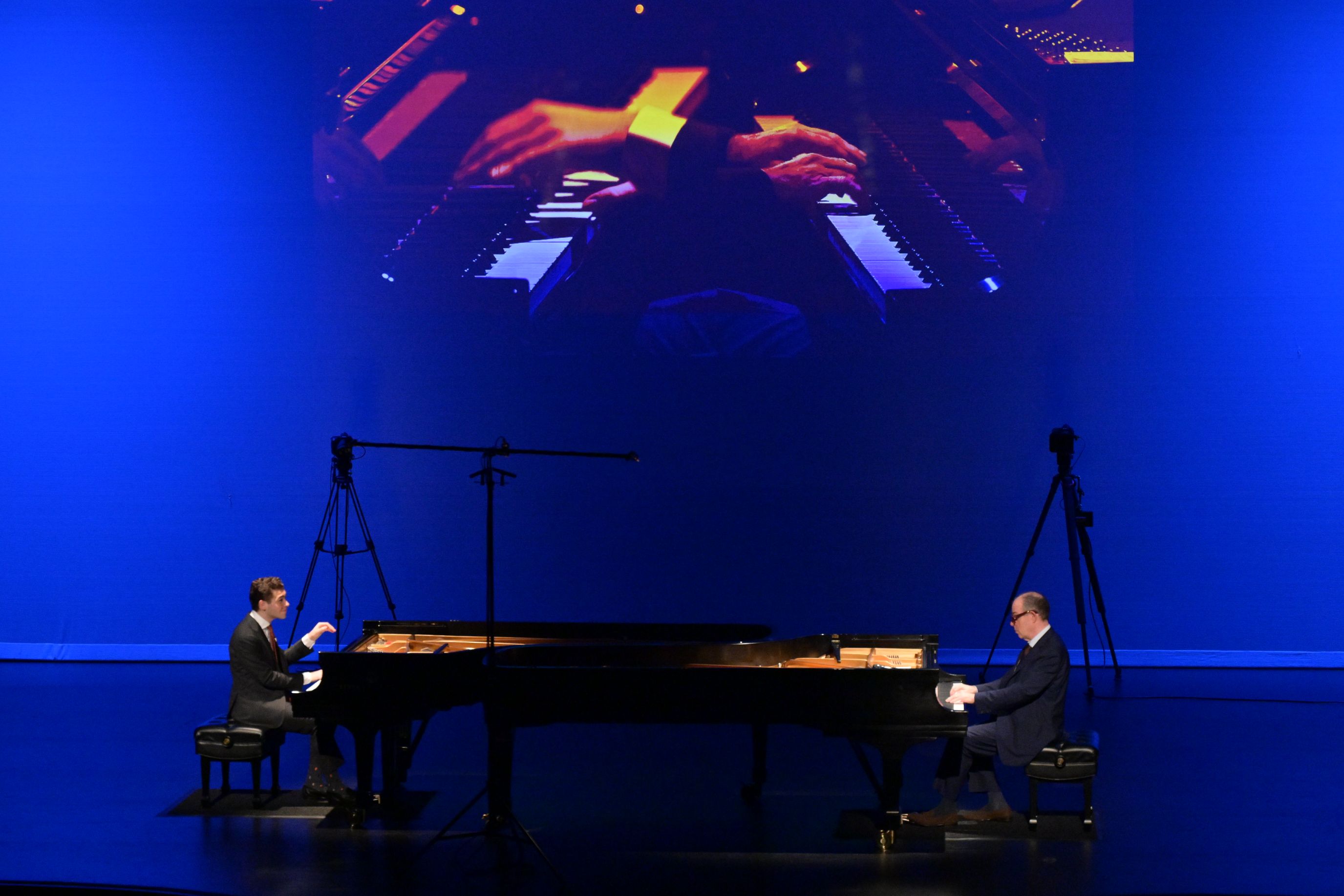
Less than a year later, the Miami International Piano Festival provided an opportunity to directly confirm that assessment by presenting Charlap and Goldberg together in a concert at the Aventura Arts & Cultural Center on Sunday afternoon, March 22.
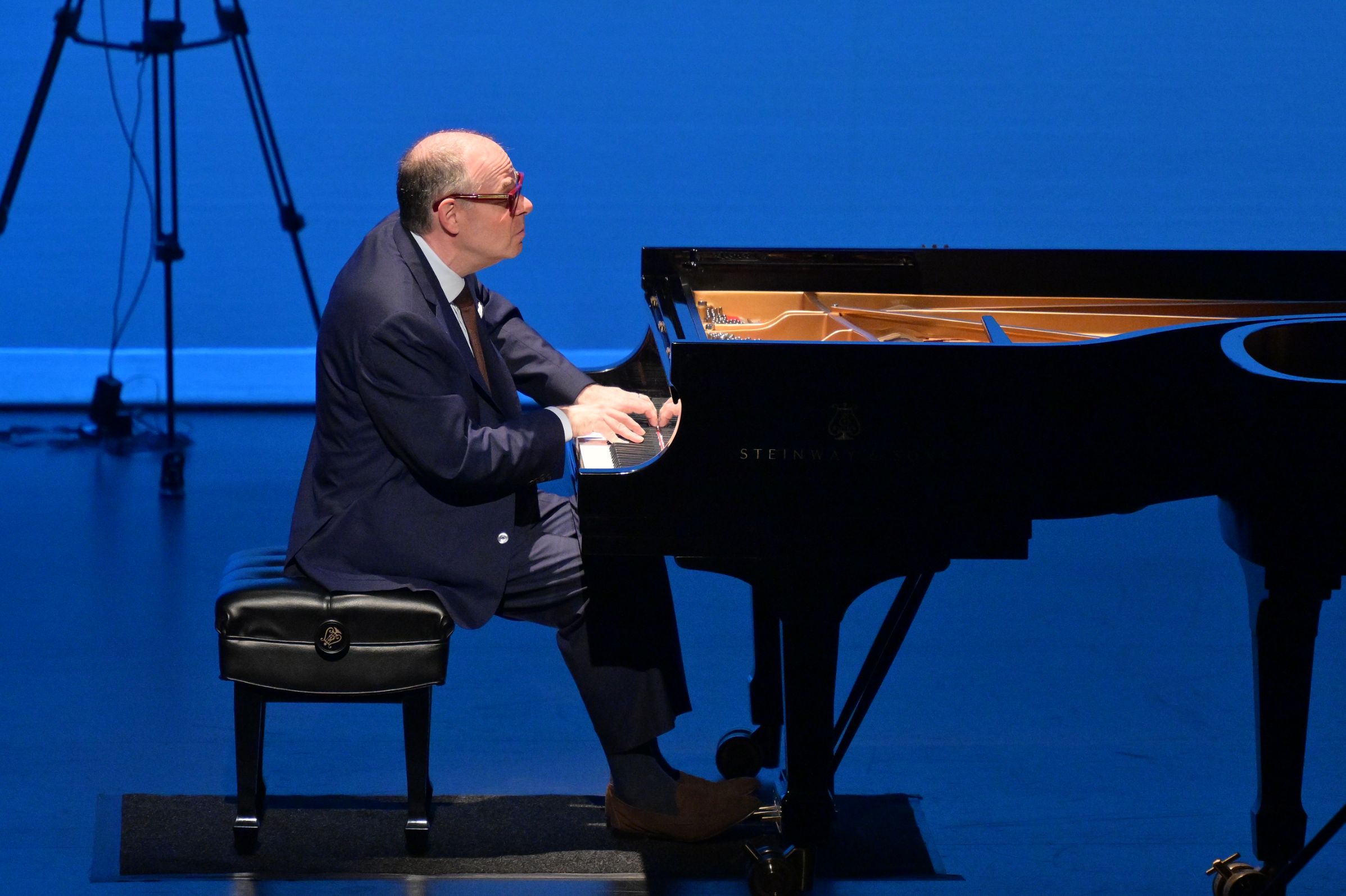
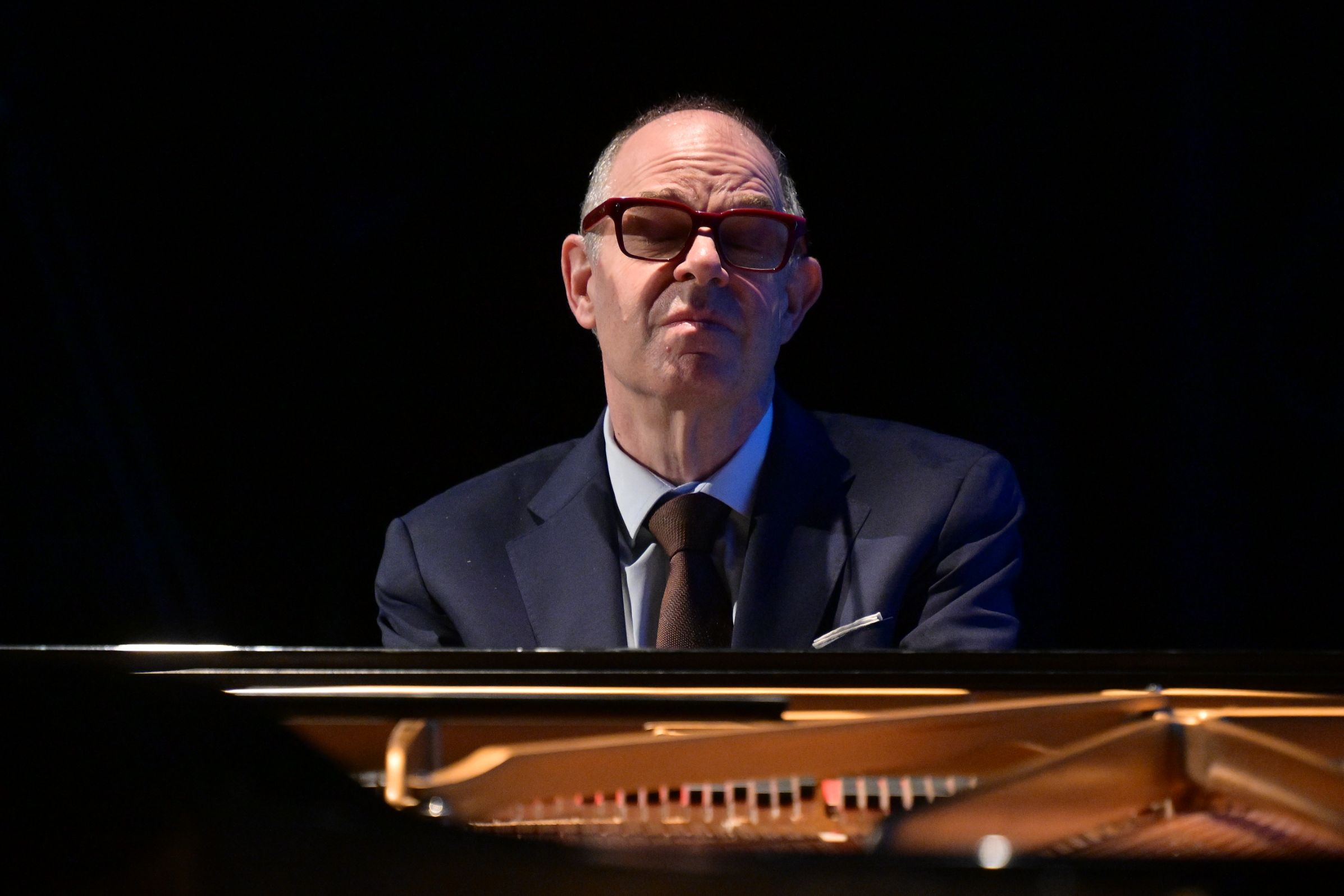
Bill Charlap is, of course, one of the world’s most renowned jazz pianists. In a career spanning 4 decades, he has played with such greats as Gerry Mulligan, Phil Woods, Tony Bennett and Benny Carter, and for the past 30 years has led his own remarkable trio with Peter Washington on bass and Kenny Washington on drums.
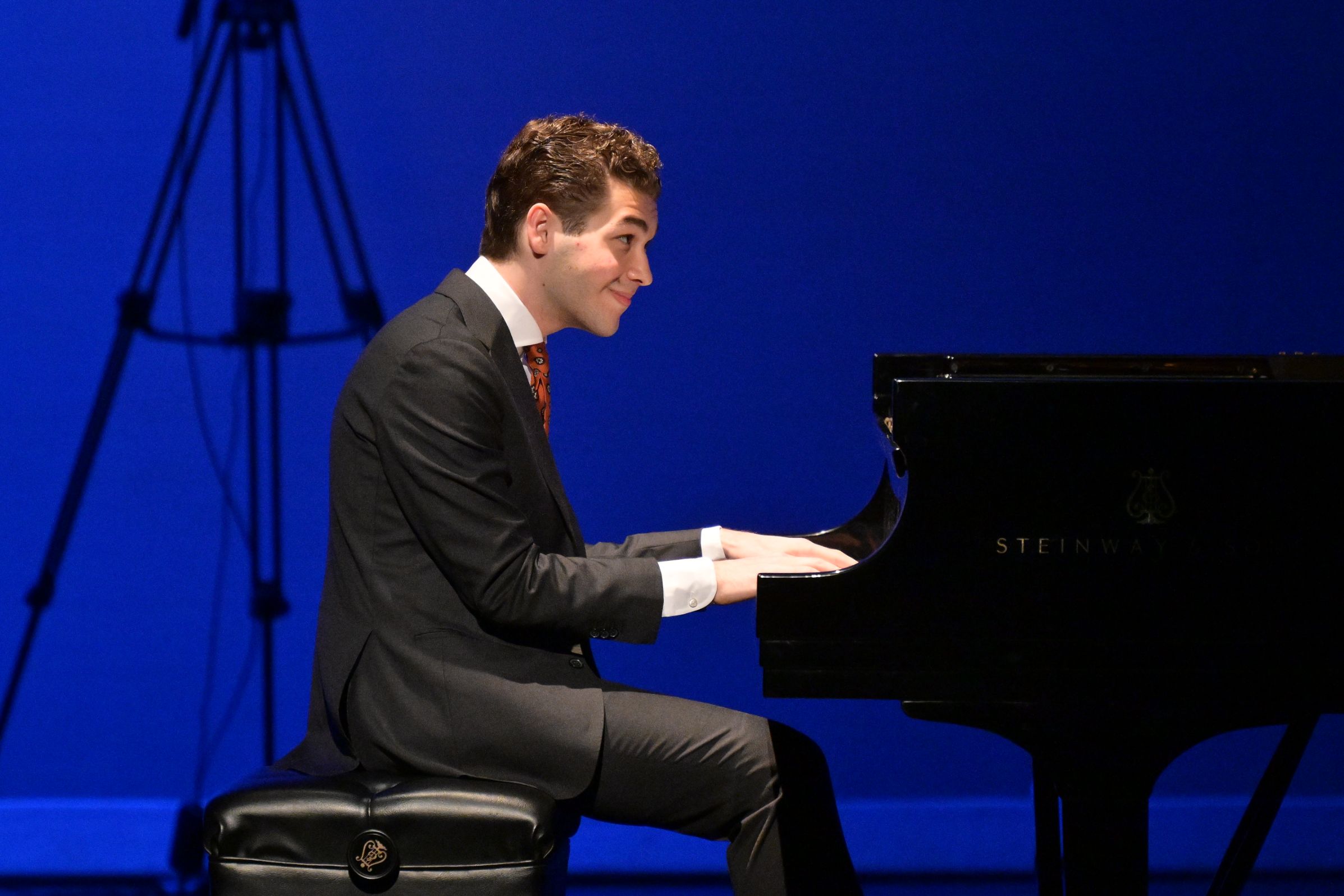
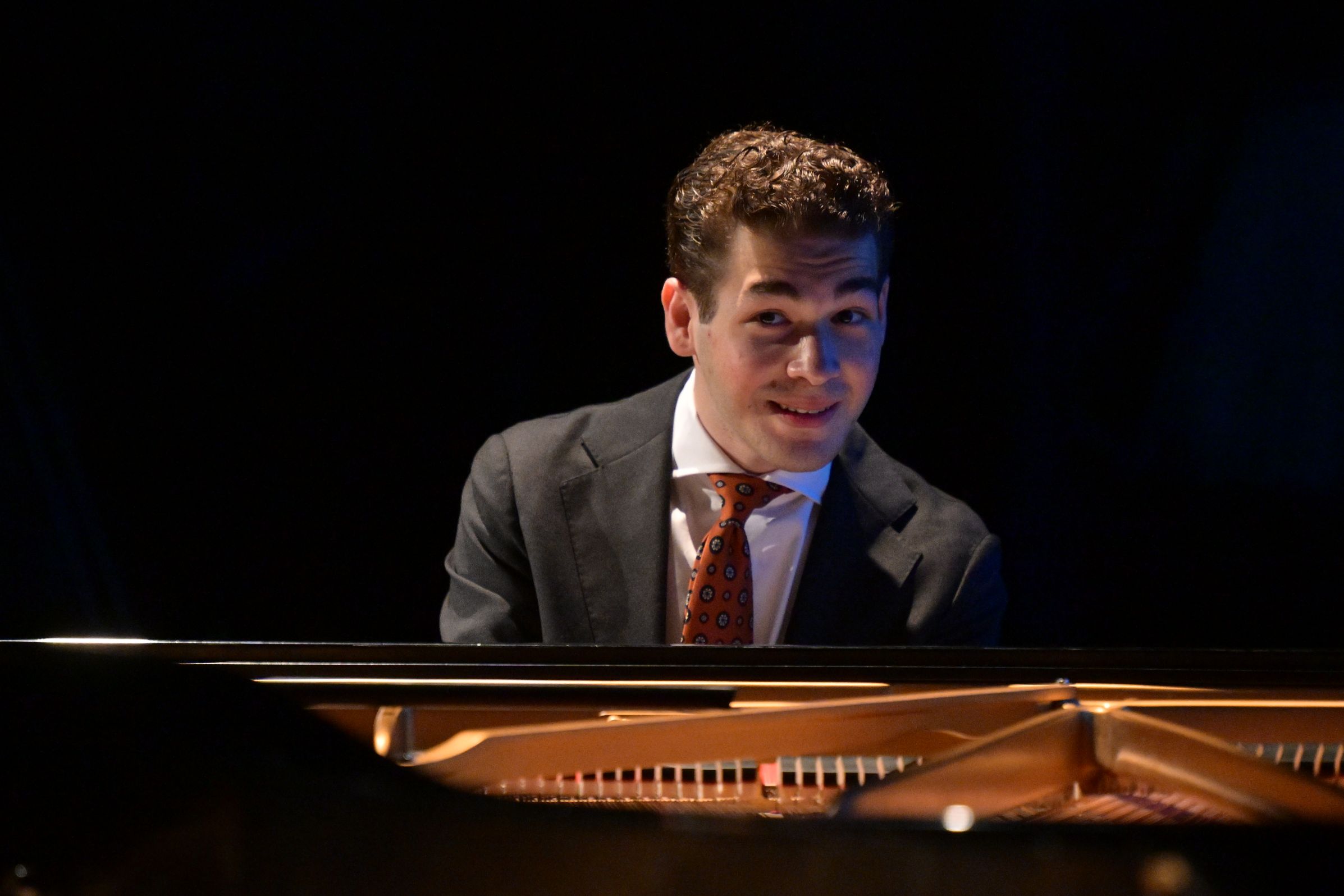
Brandon Goldberg, 20, is a rising jazz star, who already has released 3 albums as a leader and has headlined at jazz clubs and festivals throughout the country.
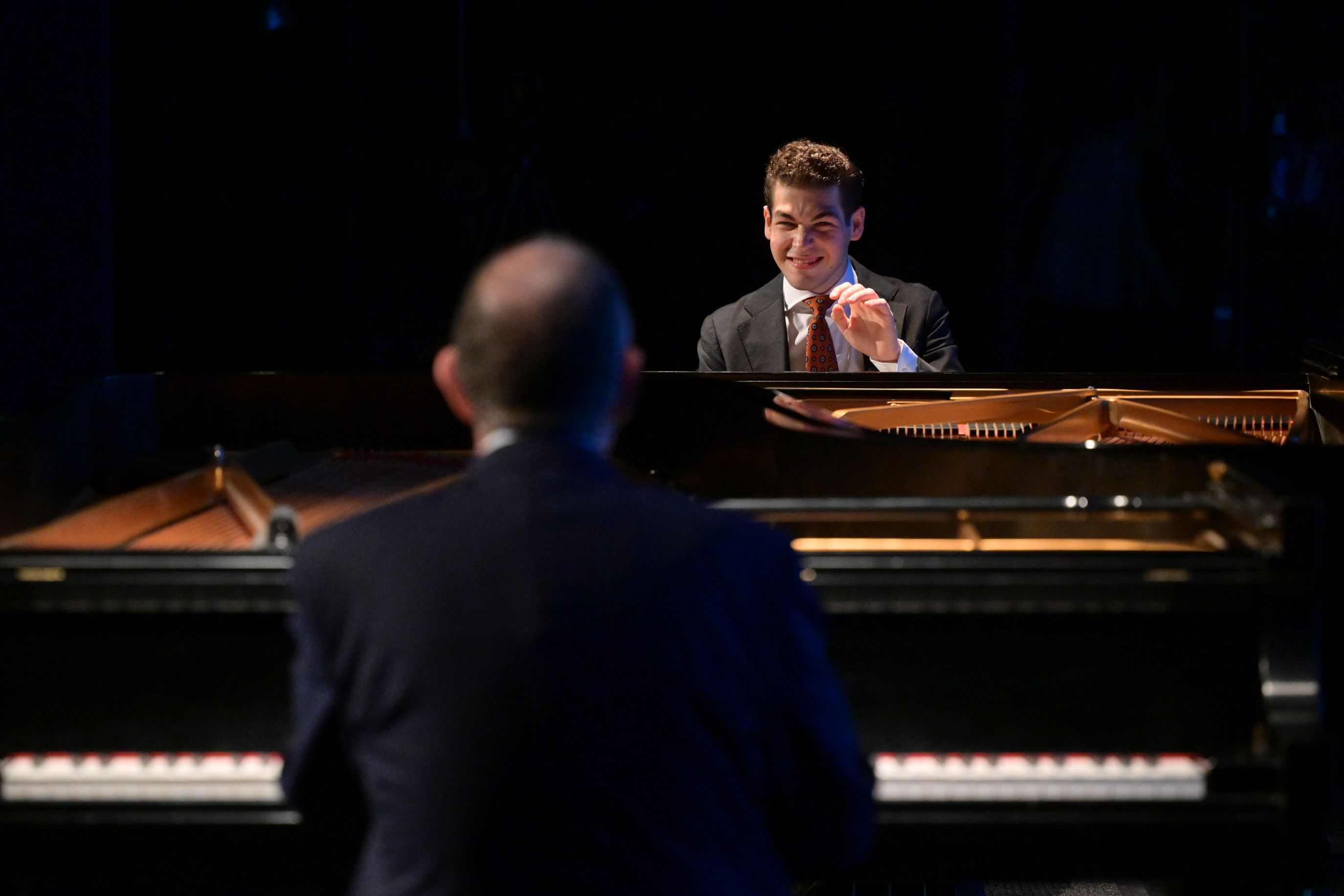
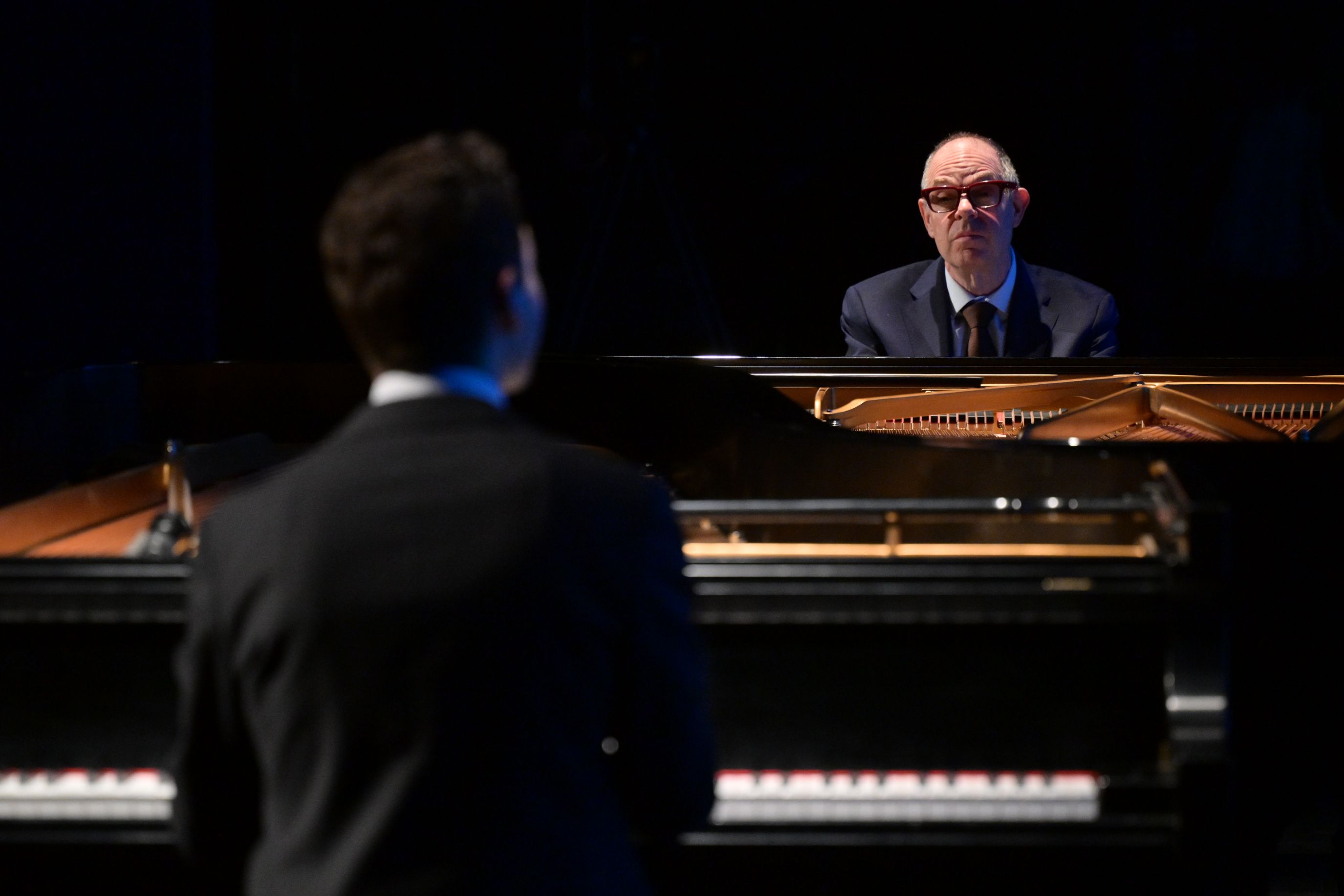
But Sunday’s concert, which featured Charlap and Goldberg at facing grand pianos, demonstrated that they have much more in common than the differences in their ages and experience would suggest.
To start with, both are deeply attached to the songs of Cole Porter, Jerome Kern, George Gershwin, Hoagy Carmichael and the other composers of the Great American Songbook. This devotion shows itself not only in their selection of material, but in the respect, they show these songs. In almost every instance – whether Rogers and Hart’s The Lady is a Tramp, Porter’s What Is This Thing Called Love, or Carmichael’s The Nearness of You – they played the songs straight (that is, with little ornamentation or variation) before setting off on their improvised excursions. And Charlap, a la Dexter Gordon, often introduced the tunes by reciting a portion of the lyric…a reminder that these songs were usually written for Broadway musicals and that the words and music are inextricably linked.
Second, in addition to their shared affection for their source material, Charlap and Goldberg obviously revere the giants of the jazz piano who came before them. While each has his own identifiable “voice,” the influence of Nat Cole, Bud Powell, Tommy Flanagan, Barry Harris and others is discernible in their playing. And the handful of songs they played that weren’t from the Songbook were written by great jazz pianists: Dave Brubeck, Bill Evans, Flanagan, and Ellington.
Starting from the opener, The Lady is a Tramp, Bill and Brandon were remarkably in sync, tossing ideas back and forth, almost like two guys having a conversation. One would set a musical mood or toss off an idea, and the other would pick it up and take off with it. In Tommy Flanagan’s Beyond the Bluebird, this meant playing the melody with block chords, just behind
the beat. At the end of Kern’s All the Things You Are, someone threw in a Bud Powell-ish lick, and instantly they were both nodding to Powell’s Un Poco Loco for a few measures.
Not surprisingly, Bill seemed to guide the proceedings throughout, with Brandon following his lead. But both were inventive and supportive accompanists when the moment called for it. When Goldberg soloed, Bill would often play just a simple one note walking bass line, giving Brandon the space to play fully with both hands, including wonderful figures played in octaves. As Bill’s racing solo on an up-tempo version of Porter’s In the Still of the Night wound down, Brandon played delicate lines at the higher end of the keyboard that sounded like he was sprinkling fairy dust on the proceedings.
As melodically, rhythmically and harmonically inventive as both men are, what always sets them apart to me is what I mentioned at the top – their touch…the ability to draw a range of emotions from a piano simply through the way they strike the keys, from a delicate whisper to a thunderstorm. This was on display throughout, from the clean, well-articulated lines of All The Things You Are and I’ve Got the World On A String, which swung a like big band sax section, to their quiet bluesy take on Kern’s Smoke Gets in Your Eyes, where Charlap’s attack was so refined, you’d swear he was making the sound not by striking the keys, but by lifting his fingers.
In boxing the old adage is that “styles make fights,” the idea being that a bout featuring two sluggers or two jabbers won’t be as interesting as a match-up of a slugger and a counterpuncher. In jazz, when two artists like Charlap and Goldberg – whose musical influences and sensibilities are so closely aligned – meet up, sparks may not fly, but the results are dazzling, swinging and deeply satisfying.